
Goedkoopste keuzebol.comWinkelscore / 10
Op voorraadGratis verzending
Product € 29,06Verzending € 0,00€ 29,06Alles bij elkaar
Bekijk aanbieding →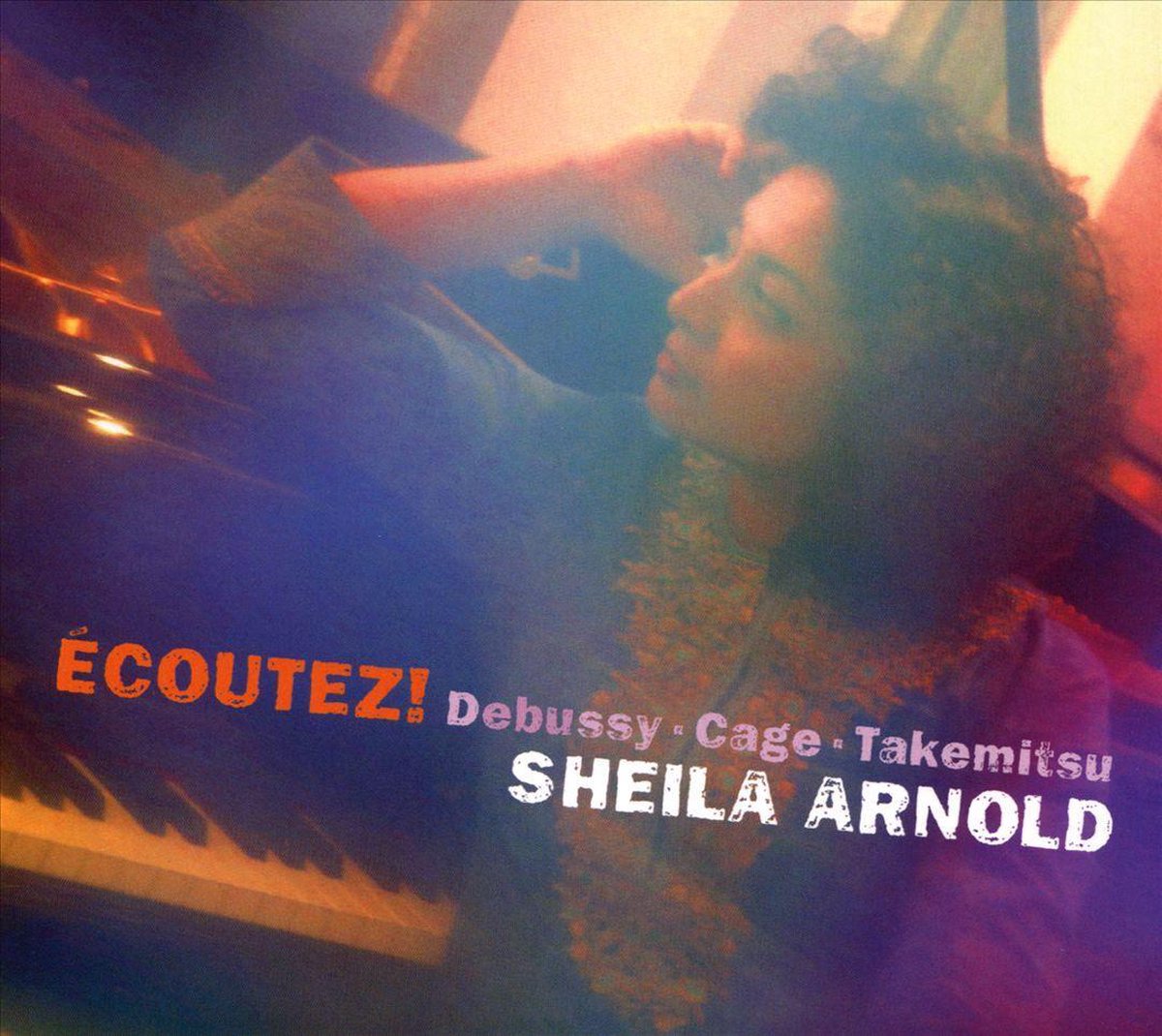
Product € 29,06 + gratis verzending · prijs incl. btw
Bestelbare aanbiedingen staan bovenaan. Tijdelijk uitverkochte producten blijven met hun laatst bekende prijs zichtbaar.
ⓘ Winkels kunnen DirectGoedkoper een vergoeding betalen voor een klik of aankoop. Dit verandert jouw prijs niet en bepaalt niet welke aanbieding bovenaan staat.
Standaard zie je een weekoverzicht. De laagste totaalprijs wordt iedere dag opnieuw vastgelegd.
Voor de afgelopen 7 dagen zijn nog niet genoeg dagelijkse prijsmetingen voor een betrouwbare grafiek. De prijs wordt dagelijks bewaard; zodra er twee meetdagen zijn, verschijnt de ontwikkeling automatisch.
Specificaties gegroepeerd zodat je sneller vindt wat voor jouw gebruik belangrijk is.
Composer: Debussy/Cage/Takemitsu Genre: Piano Music Soloists: Sheila Arnold Instruments: Piano Claude Debussy left a profound mark on music history when he dissolved functional harmony under the influence of the music of the Far East. Tōru Takemitsu had to distance himself from his own culture in order to listen to Japanese music with the ears of a Western-trained musician – adopting, for instance, the approach of John Cage. He came to realize that Japan’s venerable musical tradition had long been highlighting individual notes as complex sonorities in their own right, instead of treating them as part of a series of several notes. From the human need for sound as well as silence, John Cage drew the most extreme conclusions. The concept of a “beautiful” sound was never static in music history: it has changed over the centuries, and it differs from one culture to another. Western musical aesthetics tend to differentiate between “noises” and “notes”: the latter feature well-ordered harmonics. The concept of “dissonance” has also changed throughout different musical periods. What is more, musicians and their audiences have always felt the need to “savor” a dissonance – to listen to it consciously, to experience it – before it is resolved. On the other hand, time plays a truly fundamental role in how a work is conceived and structured, and each individual listener experiences musical time in a different way. Ideally, the performer and the listener share the same time system: they enjoy passages in a similar way, they hear a piece with the same depth of focus. Music resonates inside the instrument, in our bodies, in the space that surrounds us. Each note is in motion. When several notes vibrate simultaneously, they make up an ocean of concomitant vibrations. If we add the sounds and noises from our surroundings, then we are dealing with an incredible concentration of sonic events within a very short period of time. What happens then? We become more aware of the way we perceive things. If we are lucky, this kind of conscious musical listening starts to affect how we pay attention to other people, whether they are speaking or not. And lending an ear to one another has become more necessary than ever. Wouldn’t you agree? - Sheila Arnold Tracklisting: 1. Images Book I L. 110 (1904/05) - No. 1 Reflets dans l'eau (06:29) 2. Images Book I L. 110 (1904/05) - No. 2 Hommage à Rameau (07:05) 3. Images Book I L. 110 (1904/05) - No. 3 Movement (03:18) 4. Piano Distance (1961) - (05:22) 5. Preludes Book II L. 123 (1910) 5 - No. 4 Les Fees sont d'exquises danseuses (03:41) 6. Sonatas and Interludes fur prapariertes Klavier / for prepared Piano (1946-48) - Sonata VIII (03:10) 7. Sonatas and Interludes fur prapariertes Klavier / for prepared Piano (1946-48) - Sonata II (02:06) 8. Sonatas and Interludes fur prapariertes Klavier / for prepared Piano (1946-48) - Sonata VI (02:22) 9. Sonatas and Interludes fur prapariertes Klavier / for prepared Piano (1946-48) - Sonata VII (02:52) 10. Sonatas and Interludes fur prapariertes Klavier / for prepared Piano (1946-48) - Sonata V (01:41) 11. La Pause Ininterrompue / Uninterrupted rests (1952-1960) D'apres du poeme de SHUZO TAKIGUCHI - Quietly and with a cruel reverberation 0 (03:45) 12. Preludes Book I L. 117 (1909) - No. 1 Danseuses de Delphes (03:11) 13. Preludes Book I L. 117 (1909) - No. 2 Voiles (04:04) 14. Preludes Book I L. 117 (1909) - No. 3 Le Vent dans la plaine (02:12) 15. La Pause Ininterrompue / Uninterrupted rests D'apres un poeme de SHUZO TAKIGUCHI - Slowly, sadly and as if to converse with (02:17) 16. Preludes Book I L. 117 - No. 7 Ce qu'a vu le vent d'Ouest (03:38) 17. Preludes Book II L. 123 - No. 10 Canope (03:15) 18. La Pause Ininterrompue / Uninterrupted rests D'apres un poeme de SHUZO TAKIGUCHI - A song of love (01:20) 19. Sonatas and Interludes fur prapariertes Klavier / for prepared Piano - Third Interlude (03:01) 20. Preludes Book II L. 123 - No. 12 Feux d'artifice (05:06)
Ontdek de ervaringen achter de sterren. Zo controleren we reviews.
Heb jij dit product gebruikt? Vertel wat jou opviel, wat goed werkt en wat beter kan. Jouw ervaring helpt de volgende koper.
Log in of maak gratis een account aan. Zo kun je je review later aanpassen, de voortgang volgen en badges verdienen.
Andere actuele producten uit dezelfde categorie.
 1 winkel
 1 winkel
 1 winkel
 1 winkel