
Goedkoopste keuzebol.comWinkelscore / 10
Op voorraadGratis verzending
Product € 37,89Verzending € 0,00€ 37,89Alles bij elkaar
Bekijk aanbieding →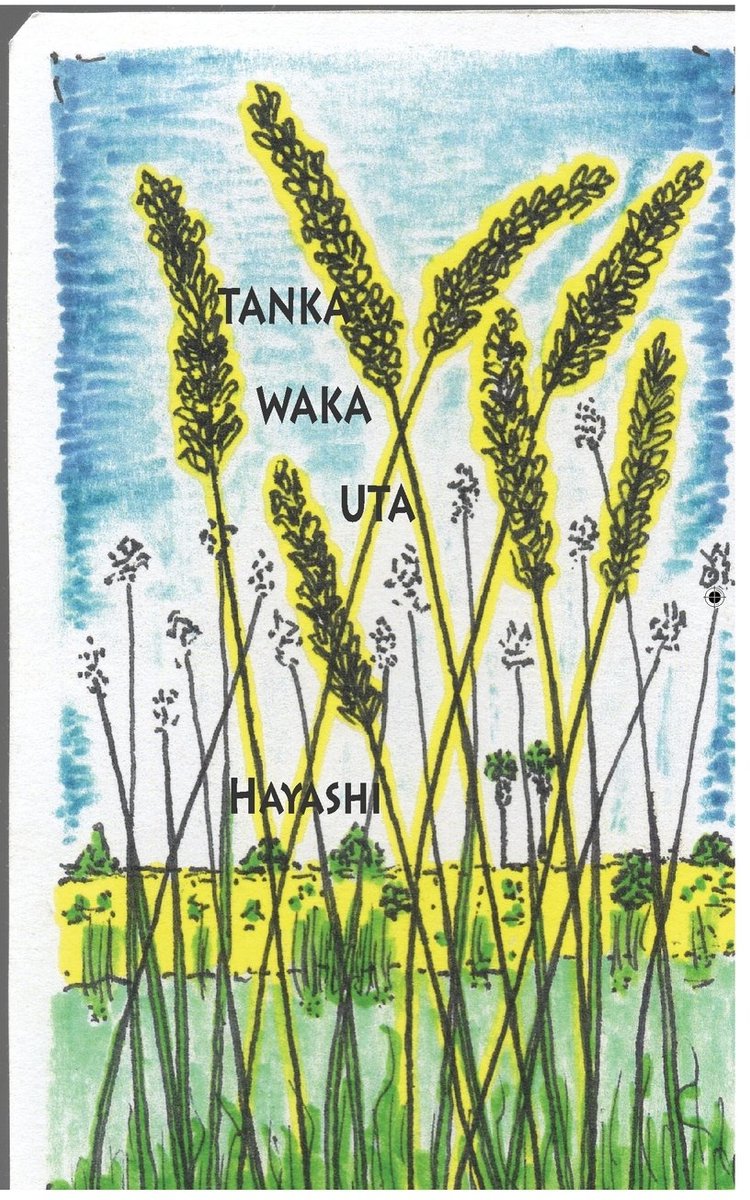
Product € 37,89 + gratis verzending · prijs incl. btw
Bestelbare aanbiedingen staan bovenaan. Tijdelijk uitverkochte producten blijven met hun laatst bekende prijs zichtbaar.
ⓘ Winkels kunnen DirectGoedkoper een vergoeding betalen voor een klik of aankoop. Dit verandert jouw prijs niet en bepaalt niet welke aanbieding bovenaan staat.
Standaard zie je een weekoverzicht. De laagste totaalprijs wordt iedere dag opnieuw vastgelegd.
Voor de afgelopen 7 dagen zijn nog niet genoeg dagelijkse prijsmetingen voor een betrouwbare grafiek. De prijs wordt dagelijks bewaard; zodra er twee meetdagen zijn, verschijnt de ontwikkeling automatisch.
Specificaties gegroepeerd zodat je sneller vindt wat voor jouw gebruik belangrijk is.
(from the introduction) The tanka (or waka or uta) is a Japanese poetic form of great antiquity. It is believed to have originated as early as the 7th century of the current era & has been the preferred verse-form during much of Japanese literary history since then. Consisting of five lines with a 5-7-5-7-7 syllabic pattern, it is essentially an expanded haiku. However, historically the tanka is earlier, the haiku not having arisen until about the 10th century. I began composing both types of little poems in English (& sometimes in Spanish) many years ago, with some efforts that I consider quite successful. My own policy & practice in creating these has been to keep to a strict syllabic count as in the Japanese models - playing tennis with a net, as Robert Frost might say. Because English syllables are, on the average, inherently more meaningful than Japanese syllables, this naturally leads to poems that are richer in meaning over all than poems of the same structural type in Japanese. Seen from the other side of things, this also means that translators of Japanese haiku & tanka into English must sometimes pad their lines through wordy circumlocutions if they wish to maintain the original syllable-count in their translations. A few years ago, my friend Anita Chundak loaned me the book Crossing State Lines, a unique sort of anthology of short poems by 52 poets ranged all across "these States" (as the Good Gray Poet would say) coordinating the composition of their poems in a linked manner, as has been traditional in Japanese literary culture for centuries. The editors of the little volume established an order of transmission for the projected collection & suggested that the standard format for each poem be a double tanka: two tanka(s) one after the other, the two of them sharing a common theme, begun in the first tanka & further developed in the second. Successive poets in the chain were encouraged to link their contribution to the immediately previous one so that a s
Ontdek de ervaringen achter de sterren. Zo controleren we reviews.
Heb jij dit product gebruikt? Vertel wat jou opviel, wat goed werkt en wat beter kan. Jouw ervaring helpt de volgende koper.
Log in of maak gratis een account aan. Zo kun je je review later aanpassen, de voortgang volgen en badges verdienen.
Andere actuele producten uit dezelfde categorie.
 1 winkelvoghion
 1 winkelvoghion
 1 winkelvoghion
 1 winkelvoghion