
Goedkoopste keuzebol.comWinkelscore / 10
Op voorraadGratis verzending
Product € 53,61Verzending € 0,00€ 53,61Alles bij elkaar
Bekijk aanbieding →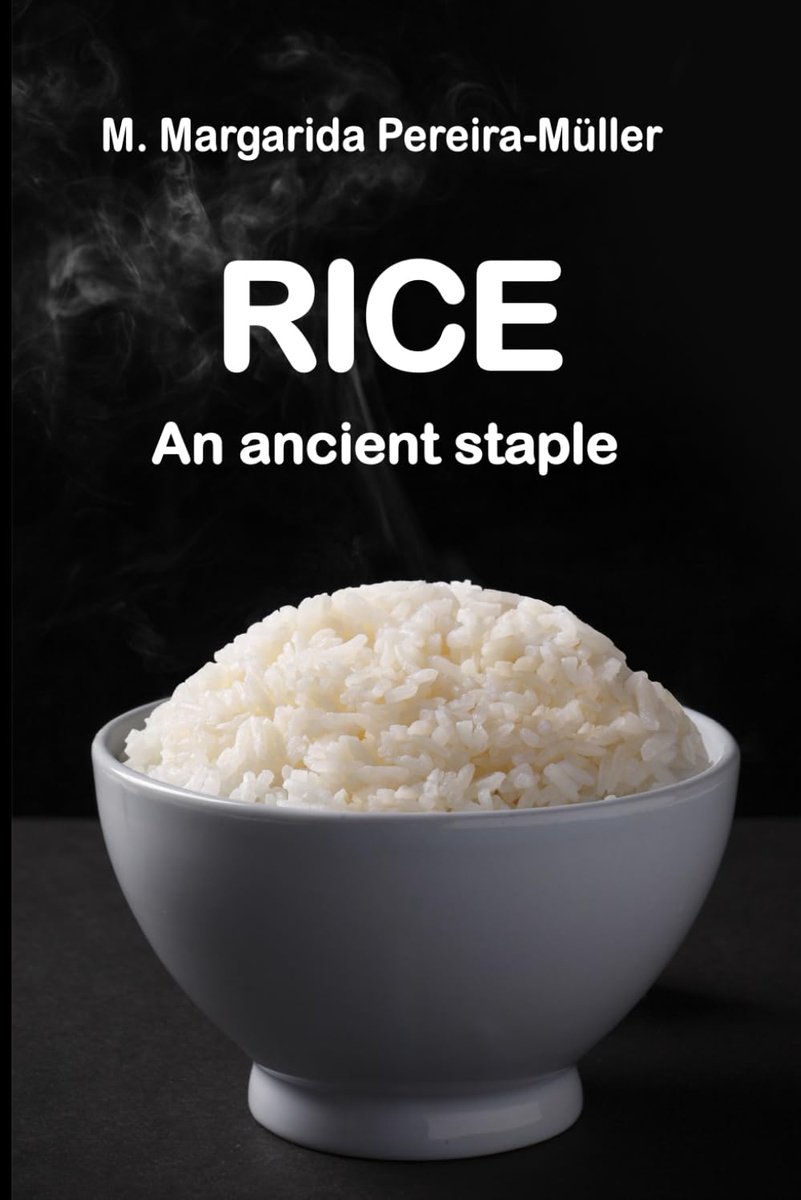
Product € 53,61 + gratis verzending · prijs incl. btw
Bestelbare aanbiedingen staan bovenaan. Tijdelijk uitverkochte producten blijven met hun laatst bekende prijs zichtbaar.
ⓘ Winkels kunnen DirectGoedkoper een vergoeding betalen voor een klik of aankoop. Dit verandert jouw prijs niet en bepaalt niet welke aanbieding bovenaan staat.
Standaard zie je een weekoverzicht. De laagste totaalprijs wordt iedere dag opnieuw vastgelegd.
Voor de afgelopen 7 dagen zijn nog niet genoeg dagelijkse prijsmetingen voor een betrouwbare grafiek. De prijs wordt dagelijks bewaard; zodra er twee meetdagen zijn, verschijnt de ontwikkeling automatisch.
Specificaties gegroepeerd zodat je sneller vindt wat voor jouw gebruik belangrijk is.
Rice cultivation spans over six millennia, making it one of the oldest in the world. It has been the cornerstone of the human diet since approximately 3000 BC and was a driving force behind major human migrations across Asia. Today, more than half of our planet’s population relies on rice to survive. Scientists consider it a top-tier choice for a balanced diet, and it stands universally as a symbol of life and fertility.Rice first entered the territory that is now Portugal via the Arabs, who likely introduced both the crop itself and its name. The Portuguese word arroz originates from the Arabic ar-ruz, which in turn stems from the Persian orz. However, rice cultivation would later fade away before being revived by King Dinis (who reigned from 1279 to 1325) and was rightfully nicknamed "The Farmer."The major push for rice cultivation occurred during the reign of King José I (1750–1777), using marshy, flood-prone lands in the estuaries of the country's main rivers. Prior to this, during the Age of Discovery, the Portuguese had already carried rice cultivation to Africa and South America.The true expansion of rice farming in Portugal only took place at the beginning of the 20th century. This was when fields began to be meticulously prepared according to modern agricultural standards, and water management (both irrigation and drainage) became efficient. This marked the birth of modern rice cultivation, or Orizicultura. Different rice varieties began to be grown, and the Oryza sativa mutica variety—similar to that grown in South Carolina in the United States and distinct from the native rice (Oryza sativa communis)—became the dominant choice in Portugal. Meer lezen Snelle levering vanuit Nederland.
Ontdek de ervaringen achter de sterren. Zo controleren we reviews.
Heb jij dit product gebruikt? Vertel wat jou opviel, wat goed werkt en wat beter kan. Jouw ervaring helpt de volgende koper.
Log in of maak gratis een account aan. Zo kun je je review later aanpassen, de voortgang volgen en badges verdienen.
Andere actuele producten uit dezelfde categorie.
 1 winkelNONE
 1 winkelNONE
 1 winkelNONE
 1 winkelNONE